
6 Roof Storm Damage Signs Homeowners Miss
May 11, 2026
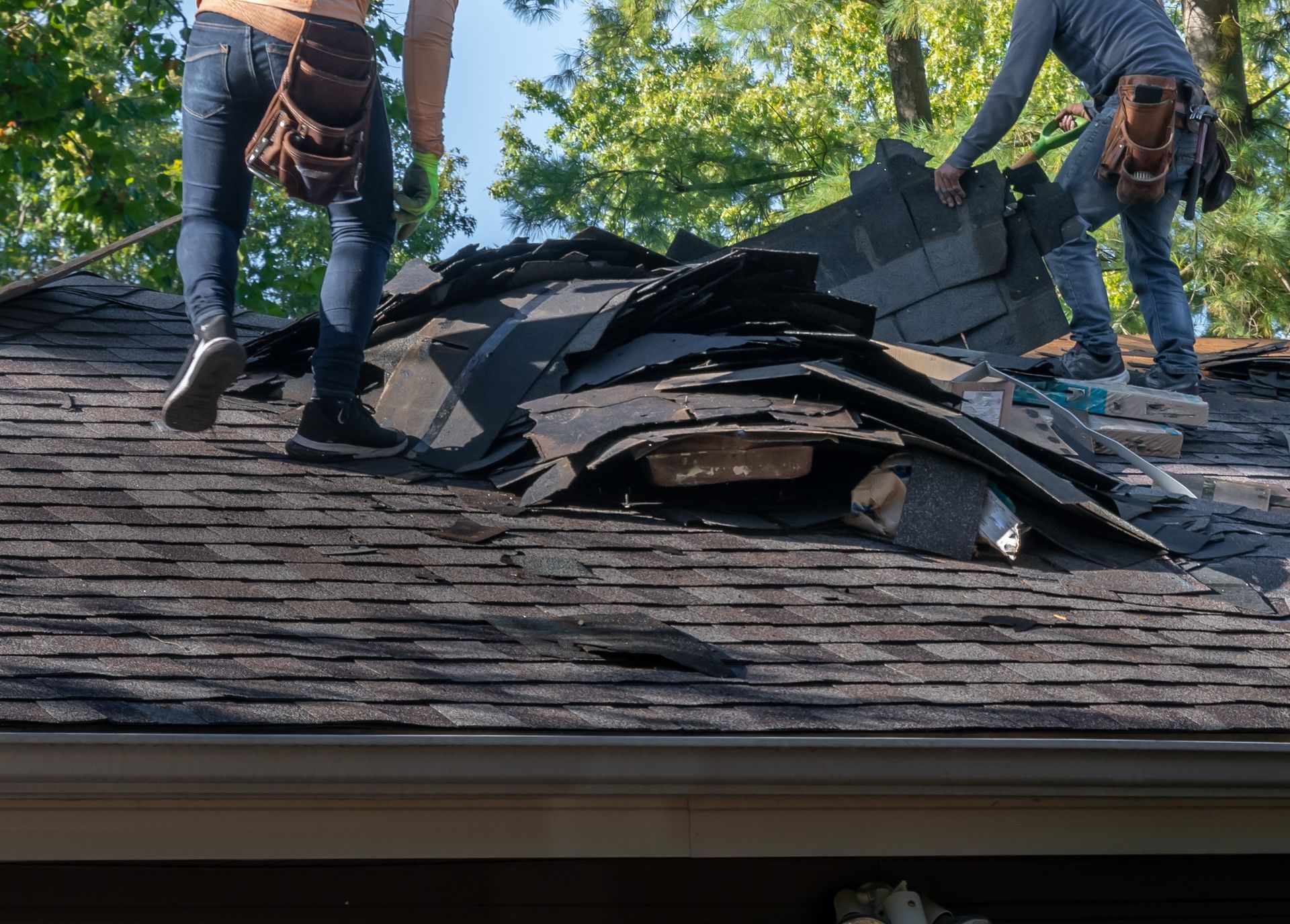
Have you recently experienced a storm and wondered if your roof suffered any damage? When severe weather hits, many homeowners focus on obvious destruction like fallen branches, broken windows, or flooded areas. But what about your roof? Roof storm damage in Colorado Springs, CO, can be subtle and often goes unnoticed until it develops into a more significant problem. Understanding the signs early can help you avoid expensive repairs and protect your home’s structural integrity.
In this article, we’ll explore six warning signs homeowners frequently miss after a storm, how to identify hidden versus visible damage, the importance of timely response, and what steps you should take to keep your roof in excellent shape.
Hidden damage includes granule loss from shingles, punctures, damaged underlayment, or weakened roof decking. These issues often cannot be seen from the ground and require a professional inspection. Over time, hidden damage can let moisture seep into your home’s structure, leading to mold, rot, or worse. Understanding the difference between what you can see and what professionals look for is critical in protecting your investment.
These signs can mean your roof is leaking due to storm damage. Water intrusion compromises insulation, weakens structural supports, and creates a breeding ground for mold and mildew. Inspect your attic for any dampness or daylight peeking through your roof decking. Catching indoor warning signs early ensures your home stays safe and comfortable.
Quick action minimizes additional risks like water infiltration or wind damage worsening over time. It also speeds up insurance claims processing, as prompt documentation is often required by insurers. Your Roofer Inc., serving Colorado Springs, CO, and the surrounding area, prioritizes swift responses for storm-damaged roofs to help homeowners recover quickly.
In this article, we’ll explore six warning signs homeowners frequently miss after a storm, how to identify hidden versus visible damage, the importance of timely response, and what steps you should take to keep your roof in excellent shape.
Understanding Hidden vs. Visible Roof Storm Damage
After a storm, visible damage is usually the first thing homeowners check for. Missing shingles, cracked tiles, or debris on the roof surface are clear indicators that your roof has taken a hit. However, what many miss is the hidden damage lurking beneath the surface.Hidden damage includes granule loss from shingles, punctures, damaged underlayment, or weakened roof decking. These issues often cannot be seen from the ground and require a professional inspection. Over time, hidden damage can let moisture seep into your home’s structure, leading to mold, rot, or worse. Understanding the difference between what you can see and what professionals look for is critical in protecting your investment.
Indoor Warning Signs That Your Roof May Be Damaged
Not all evidence of roof storm damage shows up outside. Sometimes, the first red flags appear indoors. Have you noticed water stains on your ceiling or walls? Are there dark patches or peeling paint? What about a musty odor that suddenly emerges after rainfall?These signs can mean your roof is leaking due to storm damage. Water intrusion compromises insulation, weakens structural supports, and creates a breeding ground for mold and mildew. Inspect your attic for any dampness or daylight peeking through your roof decking. Catching indoor warning signs early ensures your home stays safe and comfortable.
The Importance of Observing the 48-Hour Rule After Storms
Timing matters a great deal when it comes to roof storm damage in Colorado Springs, CO. Industry experts recommend following the 48-hour rule: examine your roof and contact a professional roofing contractor within 48 hours after a significant weather event.Quick action minimizes additional risks like water infiltration or wind damage worsening over time. It also speeds up insurance claims processing, as prompt documentation is often required by insurers. Your Roofer Inc., serving Colorado Springs, CO, and the surrounding area, prioritizes swift responses for storm-damaged roofs to help homeowners recover quickly.
Missing or Damaged Shingles Are a Common Storm Damage Warning Sign
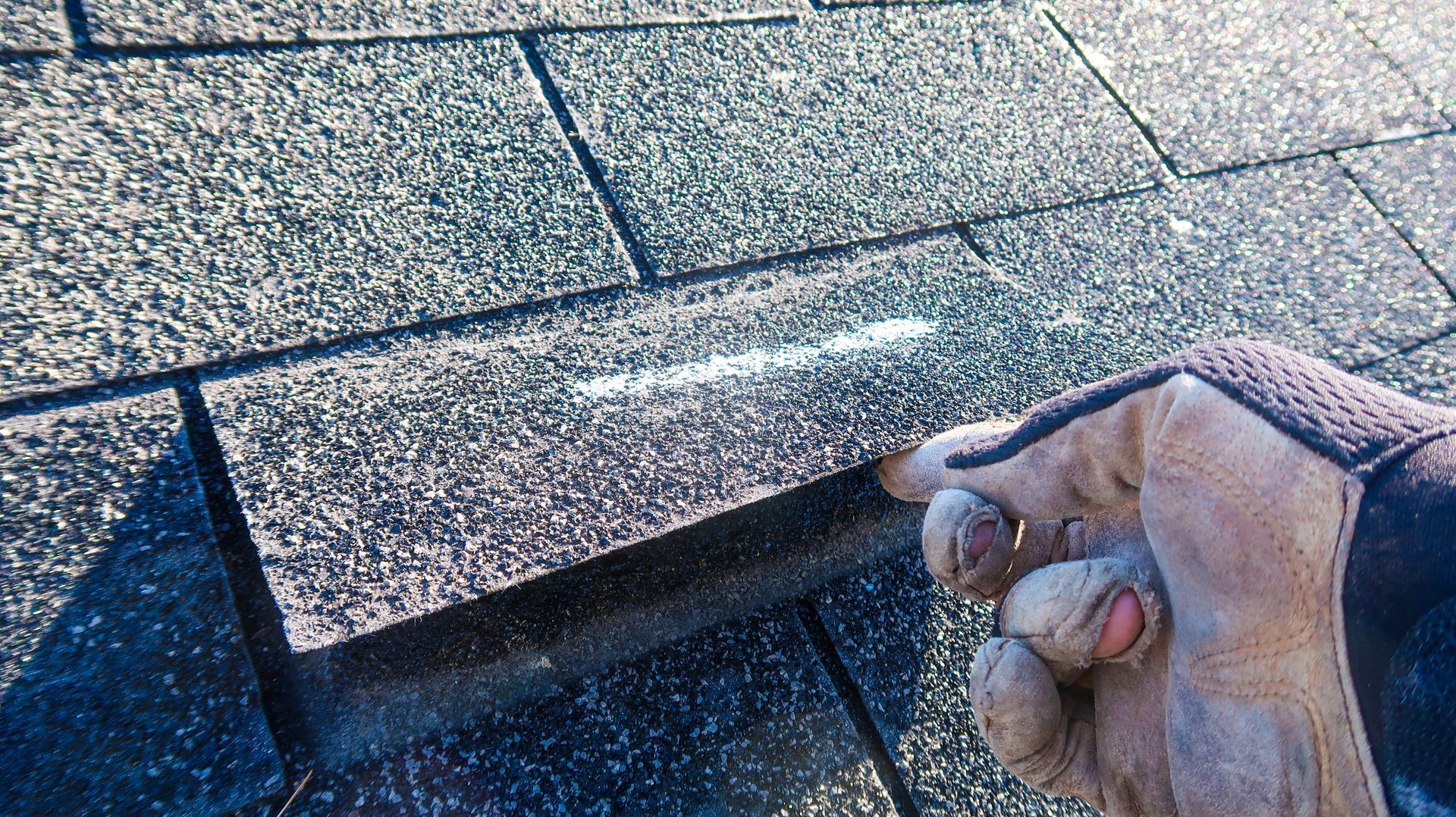
Shingles provide your roof’s first line of defense against the elements. Storms often displace shingles, crack them, or cause granule loss, which shortens their lifespan. Even a small patch of missing shingles can expose underlying materials to rain and wind.Regular inspection after storms is essential to detect and repair this damage before it escalates. Professional storm damage roofing services can evaluate whether repairs or a more extensive roof replacement is necessary based on damage severity.
Damaged Flashing and Gutters Can Signal Serious Problems
Flashing seals vulnerable areas of the roof around chimneys, vents, and skylights. Roof storm damage from high winds or flying debris can dislodge or crack flashing, creating gaps where water can enter. Likewise, gutters and downspouts clogged with leaves or damaged by hail and wind may lead to improper drainage and further roof storm damage.Water pooling near your roof’s edge or foundation raises the risk of leaks and water damage inside your home. Ensure your roof’s flashing and gutters are inspected and cleaned after any major weather event to maintain optimal roofing system performance.
Granule Loss and Roof Surface Wear: What It Means for Your Roof
Granules on asphalt shingles protect against UV rays and add fire resistance. Heavy hail or prolonged rain can cause these granules to loosen and wash away. Excess granules in your gutters or around your property after storms may look harmless, yet this is a serious warning sign.Granule loss accelerates shingle aging and reduces weather protection, leaving your roof vulnerable to damage from heat and moisture. If you notice unusual granule accumulation, schedule a roof inspection to assess if repairs or replacement are needed.
Why Professional Roof Inspections Are Critical After Storms
While some signs of roof damage are easily noticed, others require a trained eye and special tools. Professional roof inspectors assess the roof’s condition systematically: they look for subtle granule loss, inspect roof decking for softness, examine flashing and seals, check attic conditions, and evaluate gutters for debris patterns.In the Colorado Springs, CO area, storm-damage roofing companies like Your Roofer Inc. offer comprehensive inspection services tailored to local weather conditions. A professional assessment not only identifies all damage but also documents it properly for insurance claims, providing peace of mind.
Take Action to Protect Your Roof in Colorado Springs, CO
Serving Colorado Springs, CO, and operating in the Colorado Springs, CO area, Your Roofer Inc. understands how local storms impact roofing systems. If you suspect any of these warning signs of roof storm damage, do not wait. Acting quickly to address damage helps protect your home’s value and prevents costly repairs down the line.Contact Your Roofer Inc. today at (719) 227-0167 for a professional roof inspection and trusted storm damage roofing services. Early detection and expert repairs ensure your roof remains durable and weather-resistant. Protect your home now by scheduling an inspection with a company that knows the unique challenges Colorado Springs weather can bring.
Our experienced team is ready to provide expert advice, quality workmanship, and responsive customer service following every storm in Colorado Springs, CO. Don’t let roof storm damage threaten your home’s safety. Call Your Roofer Inc. to secure your investment today.





